



How Do I Know If I Need a Root Canal?
If your dentist has referred you to an endodontist, it is most likely because they believe you need a root canal to save a severely damaged or diseased tooth. Some individuals who experience severe tooth pain also contact an endodontist’s office because they know that an endodontist specializes in relieving severe tooth pain. Understanding exactly what a root canal is and what it does will help alleviate any concerns you may have about this common but complex dental procedure.
What is a Root Canal?
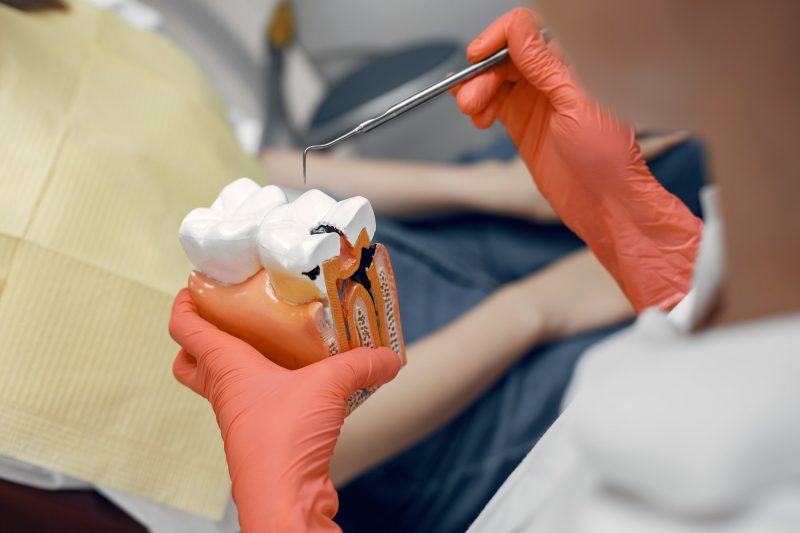
Living tissue, blood vessels, and nerves make up the pulp at the center of your tooth. If the pulp becomes diseased or infected due to an injury, cavity, or infection, you run the risk of losing the tooth. Once the pulp is infected or inflamed, you will likely experience significant pain, and the tooth’s health will be compromised. Infection can spread to the jawbone and adjacent teeth, causing deterioration, or spread to other parts of the body via the bloodstream.
A root canal removes the infected or damaged pulp, disinfects the empty root canals that contained the pulp, and refills these canals with a supportive dental material (gutta-percha) that helps the tooth maintain its strength and appearance. The tooth is sealed closed, and a crown is usually placed over the hole used to access the pulp. The crown helps strengthen the tooth and prevent bacteria from entering the tooth’s interior, thereby preventing reinfection of the pulp.
When Do You Likely Need a Root Canal?
There are many occasions when a root canal may be the only way to save a tooth that is seriously damaged or infected. It is often the last resort when all other attempts to save a tooth have failed. The following symptoms may be a sign that you need a root canal:
- Severe, throbbing toothache.
- Severe long-term headache or jaw pain radiating from a tooth.
- Long-term, increasing tooth sensitivity to hot and cold foods and beverages.
- Swollen, red, or tender gums.
- A small pimple or cyst on the gums near an affected tooth.
- A tooth that turns gray or brown.
- Oozing or draining of pus or blood around a tooth.
- Consistent halitosis (bad breath)
- A deeply cracked or broken tooth
If you experience any of the above symptoms, it is essential to see your dentist as soon as possible or contact Root 66 Endodontics for an evaluation and a personalized treatment plan.
Recovery Timeline and Expectations Following a Root Canal
Recovering from a root canal may take 3 to 5 days, although most of your discomfort will fade within the first 48 hours. We have outlined the typical root canal recovery timeline below to provide you with an idea of what to expect after the procedure.
Days 1 to 3
You will experience some soreness and mild throbbing that will peak at 24 to 48 hours, as well as sensitivity when biting or chewing. Minor swelling is normal and typically subsides within a few days.
Any discomfort can be managed with over-the-counter pain relievers and cold compresses applied to the outside of your cheek to reduce swelling. You will be on a soft diet and chew on the opposite side of your mouth while the root canal heals.
Weeks 1 and beyond
By day three, your mouth should feel more normal, and tenderness should decrease. Most or all of your swelling should be gone by now. The tooth and surrounding tissues will continue to heal internally for several weeks to months, but this will not impact your routine and does not interfere with eating or drinking.
Complications
Although complications following a root canal are rare, there is always the chance of nerve damage in the jaw or infection. If you experience any of the symptoms below, please get in touch with our office immediately to schedule a follow-up appointment:
- Your pain is significantly worse after day three.
- There is bleeding or discharge around the tooth after the second day.
- Swelling increases rather than subsiding.
- You have signs of infection, including chills or a fever.
Restoration after a Root Canal
Once the initial healing has taken place (usually 1 or 2 weeks following your root canal), you will need to return to your dentist to have a customized dental crown placed over the treated tooth to protect it from future damage or infection. If you wonder, “Do I need a crown after a root canal?” it is best to discuss this with both your endodontist and your general dentist, who will review the pros and cons of the crown with you.
What can I eat after a root canal?
Soft foods are best for the first few days. Milkshakes, smoothies, pudding, hummus, creamy soups (warm, not hot), mashed potatoes, soft-cooked vegetables, and yogurt are all good options. At the end of the first week, you can begin adding firmer foods to your diet as you become more accustomed to them. For the first few weeks, avoid hard, crunchy, sharp, or sticky foods.
Why Choose Root 66 Endodontics for Your Root Canal
Led by Dr. Halpern, our team of endodontists has been providing specialized endodontic care in the Rancho Cucamonga, Apple Valley, and Corona areas since 2007. We are a dental practice that focuses on relieving dental pain and saving damaged teeth. That’s all we do, and our patients benefit greatly from this focus. We utilize the latest technologies and techniques, both surgical and non-surgical, to perform painless and effective root canals. Our priority is always to save your tooth and relieve your pain. We collaborate closely with area dentists who provide your root canal crowns to ensure continuity of care and optimal outcomes.
If you are suffering from chronic tooth pain or believe you may need a root canal, please get in touch with Root 66 Endodontics at Rancho Cucamonga Phone Number (909) 989-0899 to schedule a consultation with one of our skilled endodontists.
Comments are closed.