



Facial Trauma & Dental Injuries: What to do (and What not to do) in the First 30 Minutes
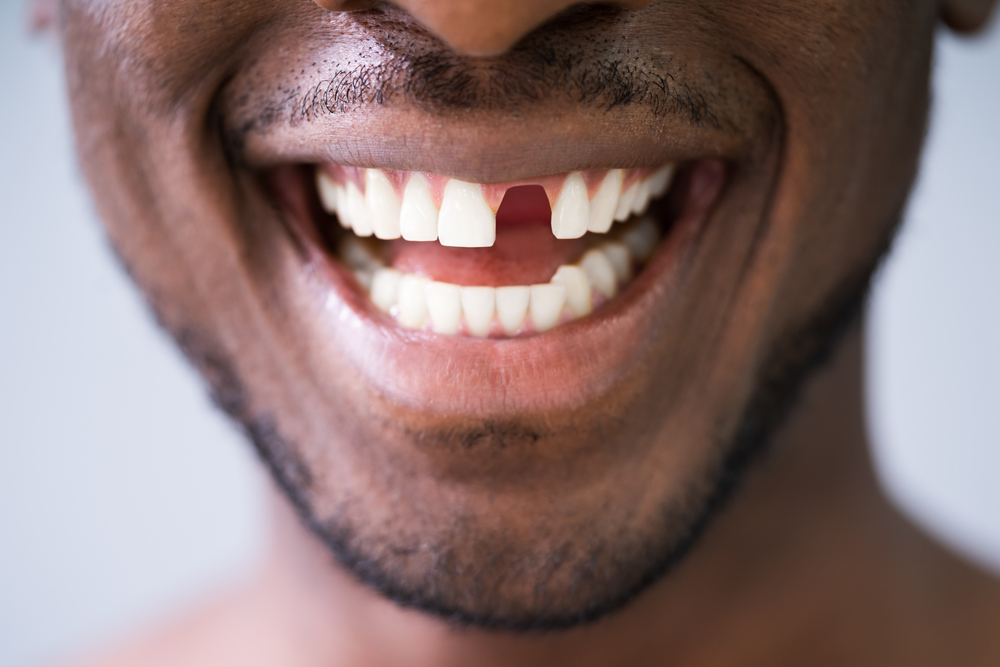
A fall, sports injury, car accident, or unexpected blow to the face can happen in seconds, but what you do immediately afterward can have a major impact on whether a damaged tooth can be saved.
Many patients panic after facial trauma and unintentionally make mistakes that can worsen the injury. Understanding the right steps to take can help protect your teeth, reduce complications, and improve treatment outcomes.
Step 1: Stay Calm and Assess the Situation
Facial injuries can look worse than they actually are because the mouth and face contain many blood vessels. While bleeding can be alarming, it’s important to stay calm and determine the severity of the injury.
Check for:
- Bleeding from the mouth or gums
- Broken, chipped, or displaced teeth
- Missing teeth
- Swelling of the lips, cheeks, or jaw
- Difficulty opening or closing your mouth
- Loose teeth
- Severe pain
If there is uncontrolled bleeding, loss of consciousness, difficulty breathing, or suspected head trauma, seek emergency medical attention immediately.
Step 2: Control Bleeding
If bleeding is present, gently apply clean gauze or a clean cloth to the area.
Maintain steady pressure for several minutes.
A cold compress applied to the outside of the face may help reduce swelling and discomfort.
Step 3: Check Your Teeth Carefully
After facial trauma, teeth may be:
- Chipped
- Cracked
- Loosened
- Pushed out of position
- Completely knocked out
Even if your teeth appear normal, trauma can damage the nerves and supporting structures beneath the surface.
What To Do If a Tooth Is Knocked Out
A knocked-out permanent tooth is one of the most time-sensitive dental emergencies.
If possible:
- Pick up the tooth by the crown (the chewing surface)
- Avoid touching the root
- Gently rinse it with clean water if dirty
- Do not scrub or clean the root surface
- Try to place the tooth back into the socket if possible
- If reinsertion isn’t possible, store it in milk or a tooth preservation solution
The sooner professional treatment is received, the better the chance of saving the tooth.
What To Do If a Tooth Is Loose or Out of Position
A tooth that has been pushed, twisted, or loosened may still be salvageable.
Avoid biting down on the affected tooth and contact a dental professional immediately. Prompt treatment may improve the chances of preserving both the tooth and its supporting structures.
What NOT To Do After Dental Trauma
Don’t Ignore the Injury
Even if pain is minimal, trauma can damage the nerve inside a tooth. Some problems may not become noticeable until weeks or months later.
Don’t Touch the Root of a Knocked-Out Tooth
The root surface contains delicate cells that are critical for successful reattachment.
Don’t Scrub the Tooth
Aggressive cleaning can damage important tissue and reduce the chances of saving the tooth.
Don’t Store a Tooth in Water
Plain water can damage root surface cells. Milk is generally a much better temporary storage medium.
Don’t Assume a Small Chip Is Only Cosmetic
A seemingly minor chip may expose deeper tooth structures or indicate a crack extending below the surface.
Don’t Delay Treatment
The first few hours after trauma are often the most important when it comes to preserving a damaged tooth.
Why Follow-Up Care Is Important
Not all dental injuries are immediately visible.
Following facial trauma, a dentist or endodontist may recommend:
- Digital X-rays
- 3D CBCT imaging
- Monitoring of the tooth nerve
- Root canal treatment if the nerve becomes damaged
- Splinting of loose teeth
- Additional restorative care
Some teeth may appear healthy initially but develop symptoms weeks or months after the injury.
When Should You See an Endodontist?
An endodontist specializes in diagnosing and treating injuries involving the dental pulp and tooth roots.
You may be referred to an endodontist if:
- A tooth changes color after trauma
- Pain develops days or weeks later
- A tooth becomes sensitive to temperature
- The nerve is damaged
- Root fractures are suspected
- Specialized imaging is needed
Prompt evaluation can often mean the difference between saving a tooth and losing it.
The Bottom Line
If you experience facial trauma, don’t assume everything is fine simply because the pain seems manageable. Acting quickly, handling injured teeth properly, and seeking professional evaluation can significantly improve the chances of preserving your natural teeth.
When it comes to dental trauma, time matters—and the right decisions in the first 30 minutes can make all the difference.
Comments are closed.